

Egypt is a land where history and culture merge to create a breathtaking experience for travelers. From the ancient wonders of the pharaohs to the serene beauty of the Nile River, this North African country offers a variety of destinations that appeal to every type of traveler. Whether you're interested in history, nature, or simply seeking a new adventure, Egypt has something for everyone. Below are some of the best places to visit in Egypt, packed with details that will make your trip unforgettable.
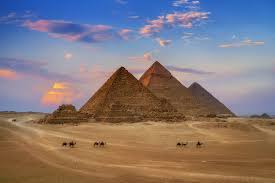
When discussing Egypt, the first thing that comes to mind is often the iconic Pyramids of Giza. As one of the Seven Wonders of the Ancient World, the pyramids are a must-visit for anyone traveling to Egypt. Located on the outskirts of Cairo, the complex consists of three primary pyramids: Khufu (Great Pyramid), Khafre, and Menkaure. These architectural masterpieces, built over 4,500 years ago, symbolize the grandeur of ancient Egyptian civilization. Visitors can explore the pyramids, take camel rides around the desert landscape, and marvel at the Great Sphinx, which stands guard over the complex.
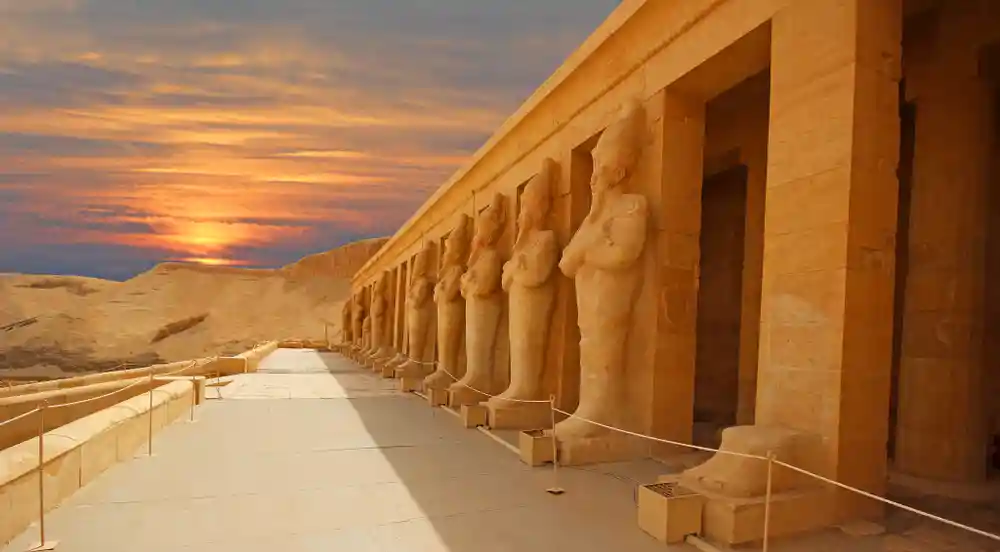
Luxor, often referred to as the "world’s greatest open-air museum," is home to some of Egypt’s most well-preserved monuments. Situated along the Nile River, Luxor is split into two regions: East Bank and West Bank. On the East Bank, visitors can explore the Karnak Temple and Luxor Temple, while the West Bank is famous for the Valley of the Kings.
The Valley of the Kings is an archaeological paradise, with over 60 tombs of ancient pharaohs, including the tomb of Tutankhamun. Walking through these tombs, adorned with intricate hieroglyphics and murals, takes you back thousands of years to the height of Egyptian civilization.
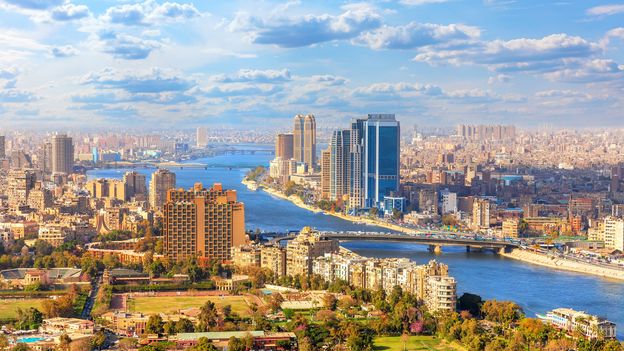
Cairo, Egypt’s bustling capital, is a vibrant city where the past and present intertwine seamlessly. Beyond the Pyramids of Giza, Cairo boasts many attractions worth exploring. One of the most famous landmarks is the Egyptian Museum, home to thousands of ancient artifacts, including the treasures of King Tutankhamun. History enthusiasts will be captivated by the collection of pharaonic relics, mummies, and more.
In addition to its historical significance, Cairo offers modern-day amenities such as lively bazaars like the Khan El Khalili Market, where visitors can shop for local crafts, spices, and souvenirs. A trip to Cairo wouldn’t be complete without a stroll through Islamic Cairo, where you can visit ancient mosques, palaces, and citadels that showcase Egypt’s Islamic heritage.
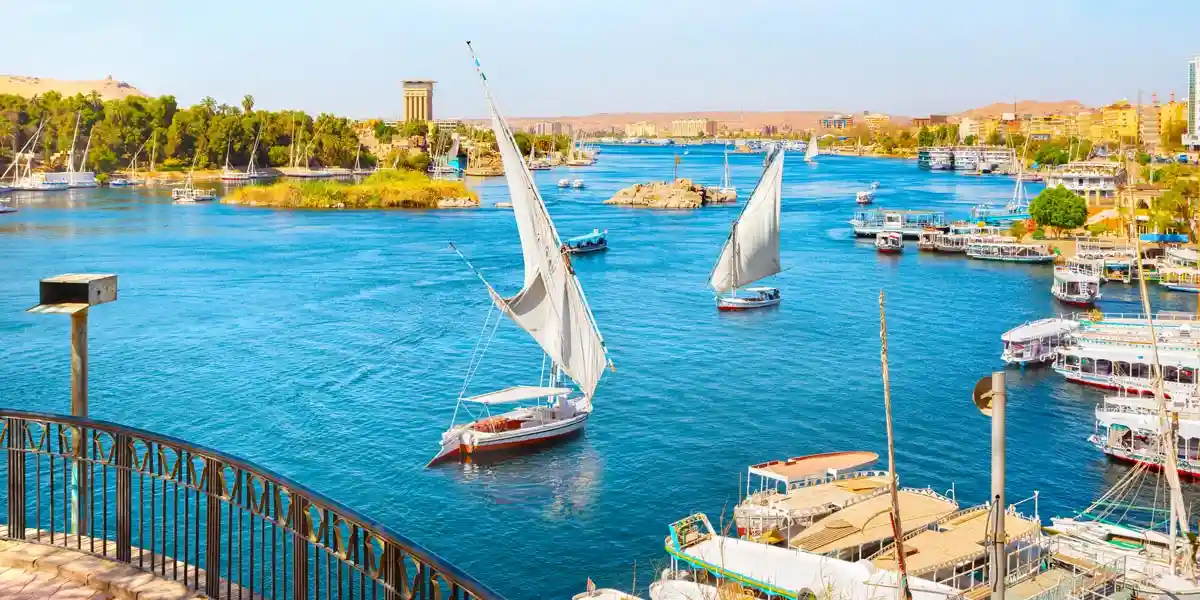
Known for its tranquil beauty and relaxed pace, Aswan is a perfect destination for those seeking a peaceful escape. Aswan sits on the banks of the Nile River and is famous for its Nubian culture and history. One of the most iconic landmarks in Aswan is the Philae Temple, dedicated to the goddess Isis. The temple, originally located on Philae Island, was relocated to Agilkia Island due to the construction of the Aswan High Dam.
Another must-see in Aswan is the Unfinished Obelisk, the largest known ancient obelisk, which remains incomplete and provides insight into the ancient quarrying methods of the Egyptians.
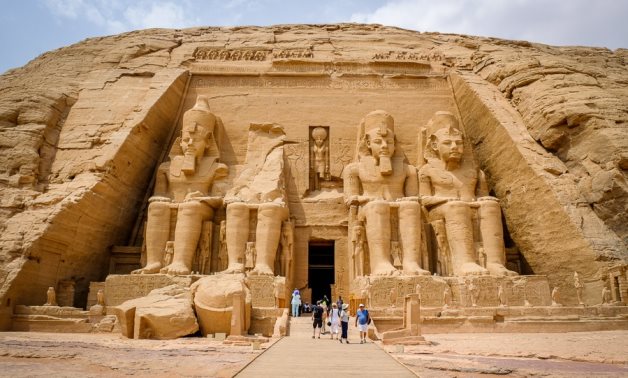
Located near the southern border with Sudan, the temples of Abu Simbel are one of the most impressive sights in Egypt. These massive rock temples were built by Ramses II and are famous for their colossal statues guarding the entrance. The main temple is aligned in such a way that twice a year, the sun illuminates the inner sanctum, lighting up statues of the gods.
Abu Simbel was relocated during the construction of the Aswan High Dam, a massive engineering feat that saved the temple from being submerged. The grandeur and precision of these temples leave visitors awestruck, and they remain one of the most visited attractions in Egypt.
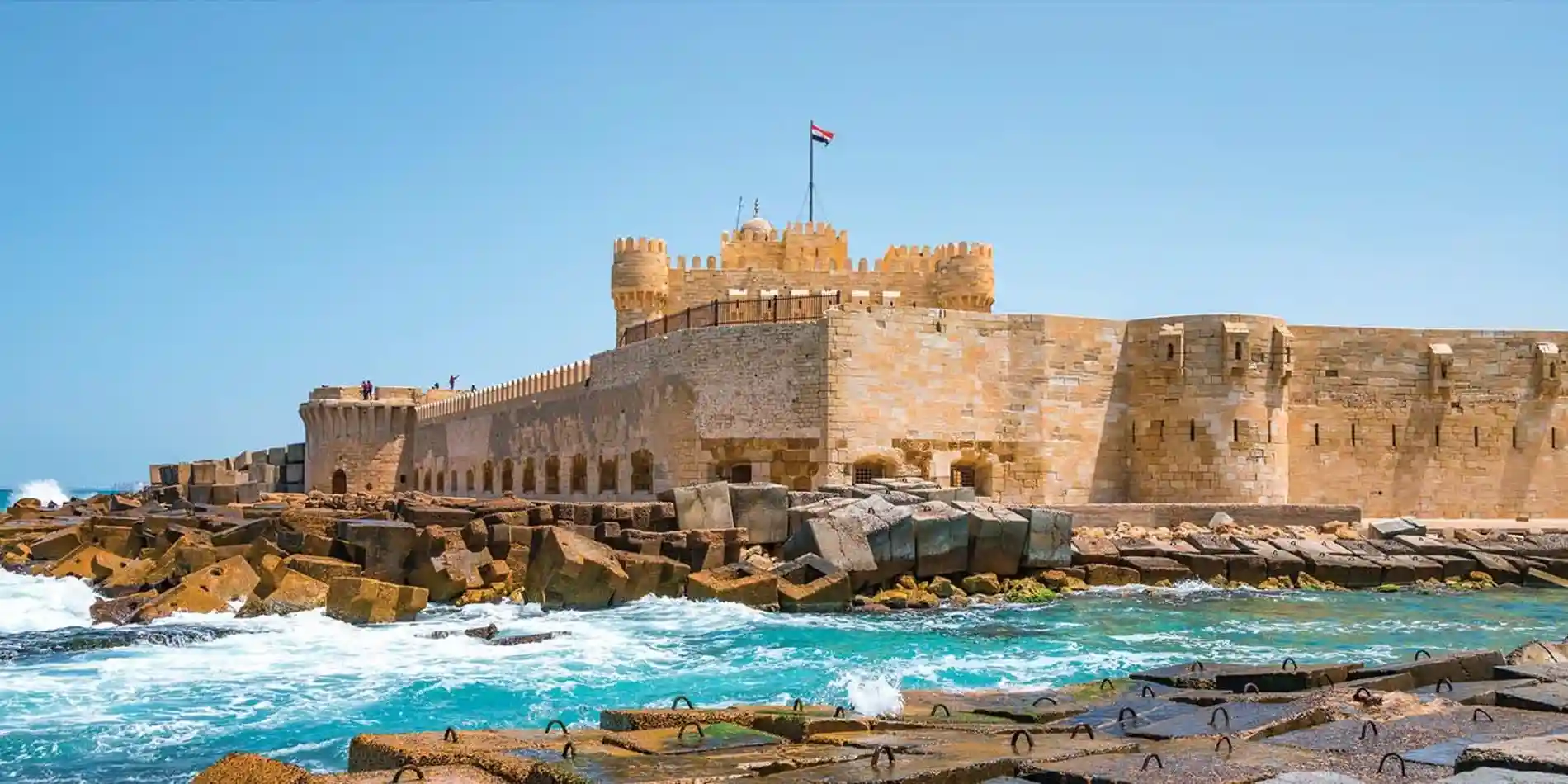
Situated along the Mediterranean coast, Alexandria offers a unique blend of Greco-Roman and Egyptian heritage. Founded by Alexander the Great in 331 BC, Alexandria was once one of the most important cities in the ancient world. Although much of its ancient wonders, like the Library of Alexandria and the Lighthouse of Alexandria, are no longer standing, the city still boasts many historical landmarks.
One of the highlights of Alexandria is the Catacombs of Kom El Shoqafa, a fascinating archaeological site that showcases a mix of Egyptian, Greek, and Roman influences. The Citadel of Qaitbay, built on the site of the ancient lighthouse, offers stunning views of the Mediterranean Sea.
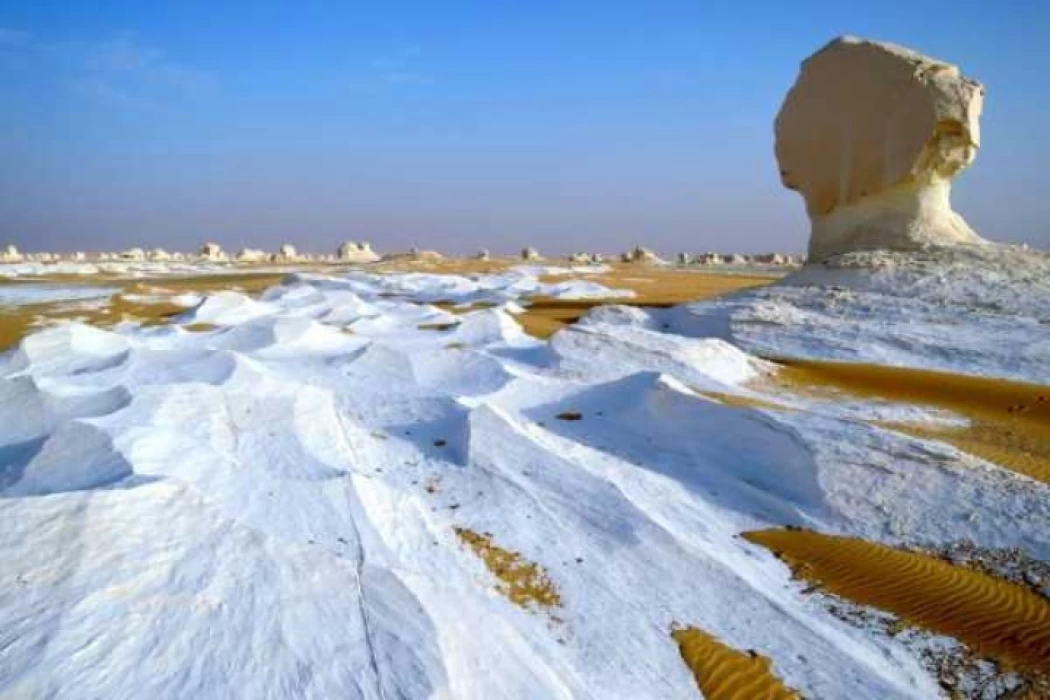
For those looking to explore Egypt’s natural wonders, the White Desert offers a surreal landscape of chalk rock formations that have been shaped by wind and sand over millennia. Located in the Western Desert, the White Desert is known for its striking white sand and eerie rock formations that resemble mushrooms, camels, and otherworldly shapes.
Visitors can embark on a desert safari, camping under the stars and experiencing the otherworldly beauty of this remote location. It’s a perfect destination for adventure seekers and those who want to get off the beaten path.
Conclusion
Egypt offers a wide array of destinations that cater to every type of traveler. From the iconic pyramids to the serene banks of the Nile, there’s no shortage of breathtaking sites and ancient wonders to explore. Whether you're seeking adventure in the desert, a cultural journey through Egypt's history, or relaxation along the Mediterranean coast, Egypt has it all.